The PhD school is designed to go beyond technologies and trends, focusing instead on advanced methodologies, models, and ways of thinking. Its goal is to equip participants with the "methodological weapons" needed to tackle emerging and still-undefined research challenges in future networks. Along the way, through three main lectures and around ten keynote-sized talks, students will be exposed to a variety of problem domains, ranging from age of information and quantum information theory to next-generation air interfaces, THz communications, and integrated communication and sensing, while also keeping in view fundamental network attributes such as resilience, security, and programmability.
University of Maryland, USA
Age of Information and Semantic Communications: Fundamentals and Perspectives

Truva Inc., USA
AI/ML as the Engine of Next Generation Communication Networks
Northeastern University, London, UK
Quantum Information Processing and Learning

University of Ferrara, Italy
Research challenges and application perspectives in Quantum Sensing and Communication
University of Padova, Italy
Goal Oriented Communications: from formal models to applied algorithms

IMDEA, Madrid, Spain
AI-supported techniques for sensing: research challenges and application perspectives

University of Padova, Italy
Towards Full-Stack Protocol Design in 5G NR Non-Terrestrial Networks
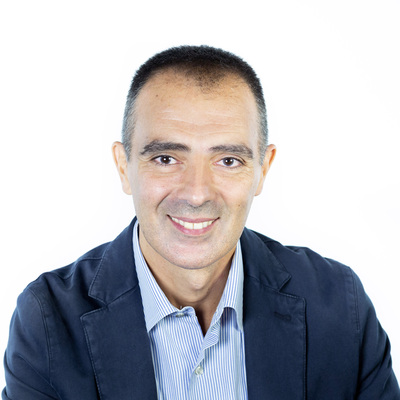
CNR, Pisa, Italy
The research infrastructure of the SLICES Italian Node: exploitation opportunities for the scientific community
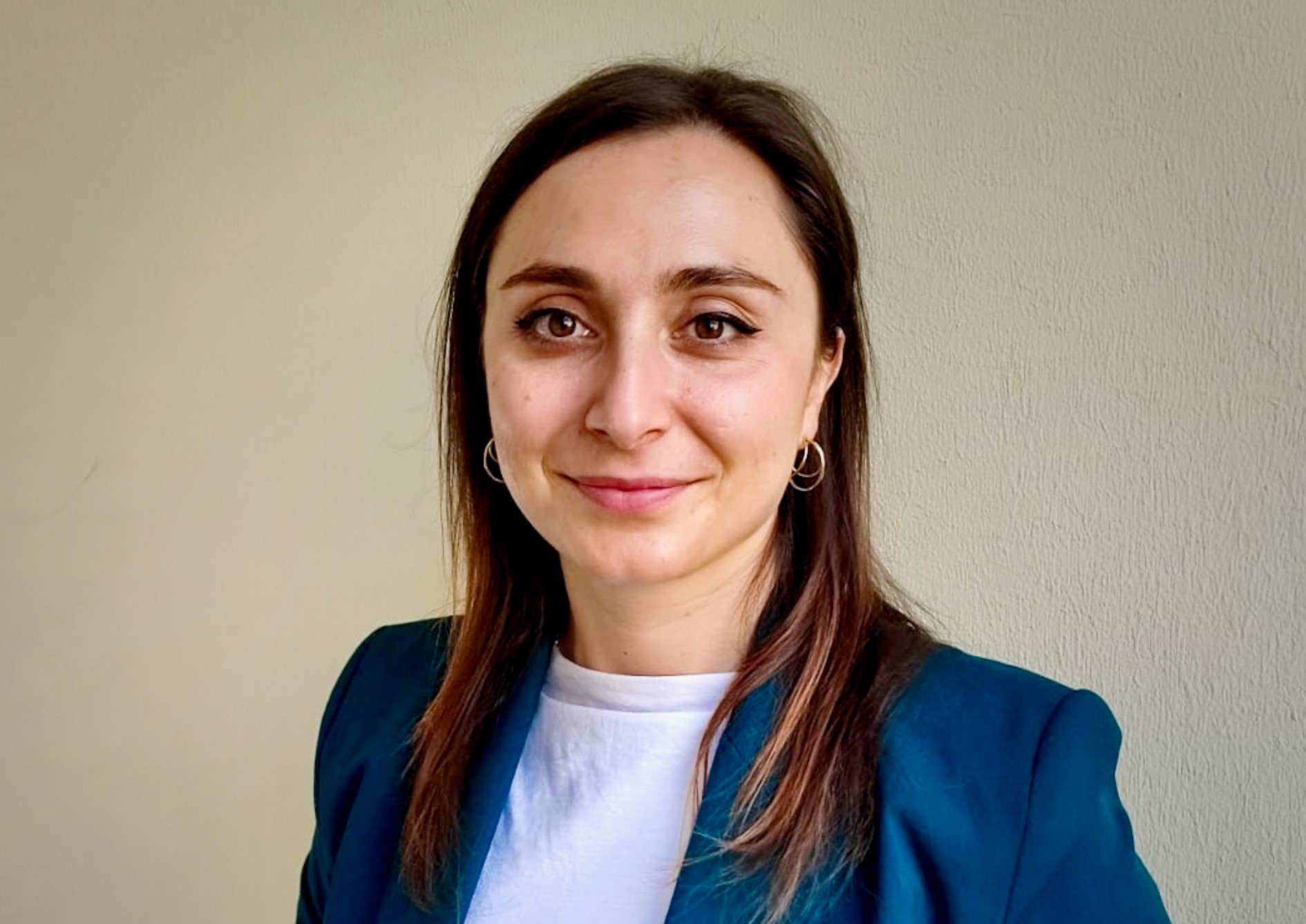
Federated and Distributed ISAC: Toward Trustworthy and Privacy-Preserving Sensing Systems
University of Roma Tor Vergata, Italy
University of Cassino, Italy
Cell-free massive MIMO and AI-based techniques

University of Roma Tor Vergata, Italy
Inside the AI fabric: scenarios, challenges and solutions
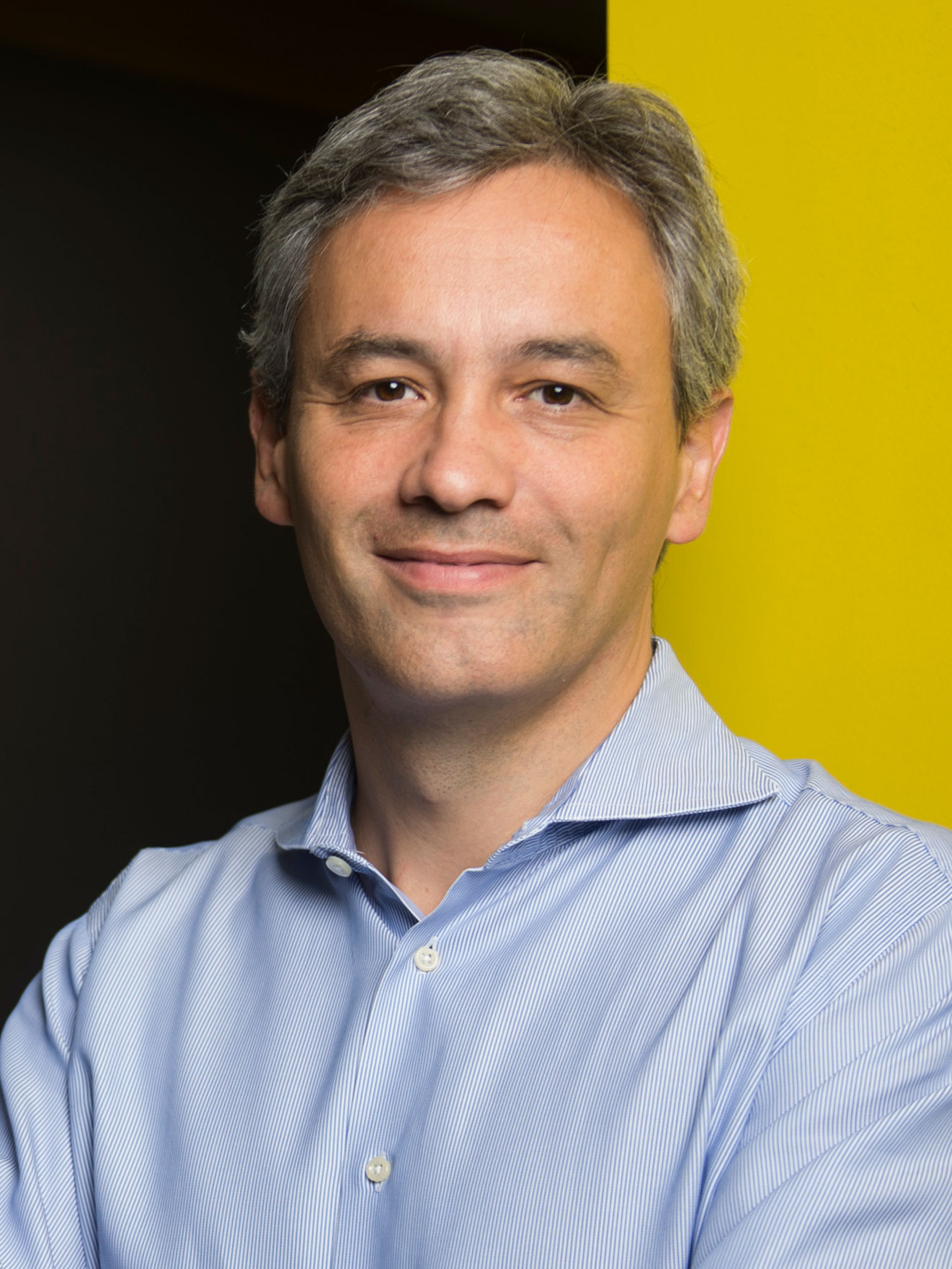
Northeastern University, Boston, USA
Open 6G: Toward Self-Synthesizing Autonomous NextG Networks
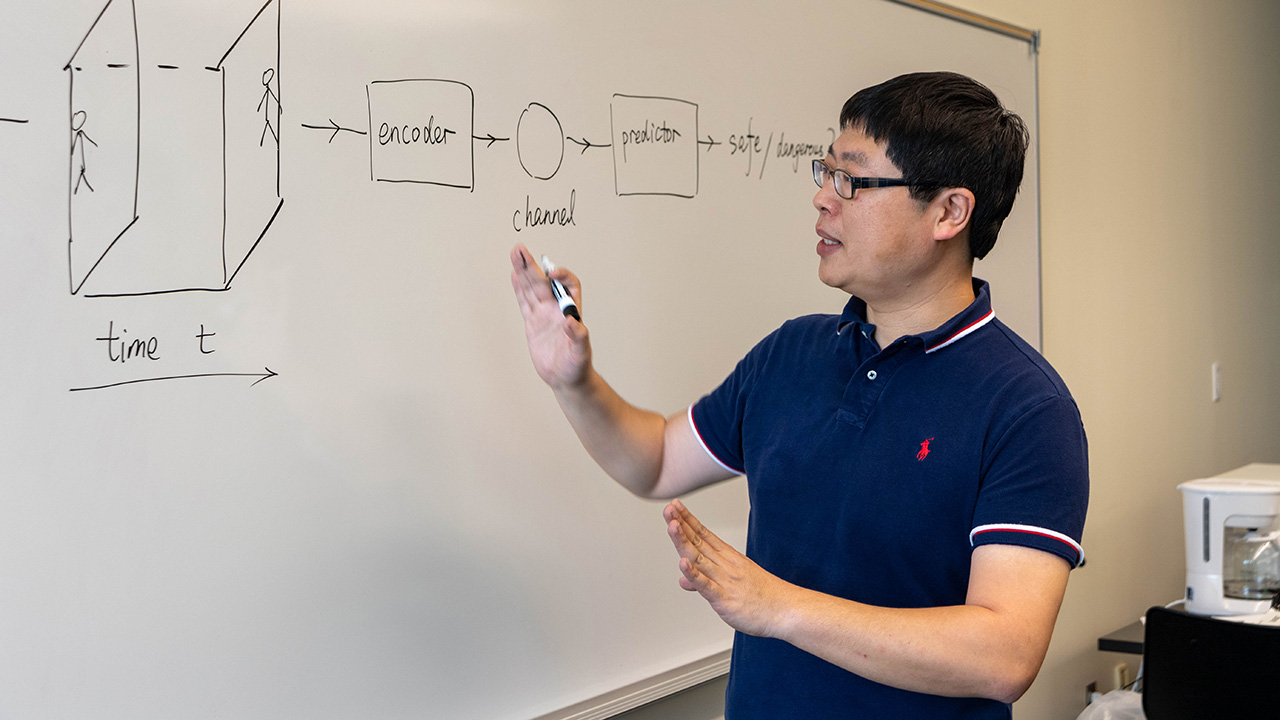
University of Auburn, USA
AoI applications to real-time inference
The conference room (at Hotel Carasco, Porto delle Genti, Lipari) is air-conditioned and equipped with all necessary conference materials. In addition, special areas are reserved for students for the afternoon coursework and study. The island of Lipari can be easily reached by ferry or hydrofoil from Milazzo, Palermo, Naples, Messina, and Reggio Calabria (a 50-minute ride from Milazzo).
This track is designed for those who require ECTS credits for a Ph.D. program.
Coursework: Includes 24 hours of instruction and mandatory afternoon sessions.
Assessment: Grades are assigned via the ECTS scale based on a written Test, conducted on the final day.
Credits: ECTS credits are awarded upon passing the exam.
This track is for participants who wish to attend the sessions but do not want to take the exam or earn academic credit.
Participants can switch track at any time.
Fees:
Early Registration: €650.00, for applications submitted before June 01, 2026.
Late Registration: €750.00, for applications submitted after June 01, 2026 and before July 07, 2026.
What’s Included: Course material, bus + hydrofoil Catania airport-Lipari-Catania airport, social events, and coffee breaks.
Requirements:
Students: Must include a short letter of intent.
Other Applicants: Must provide a link to an updated CV/website.
All: cell phone number required for emergency contact (Telegram account is suggested to be automatically added to the school channel).
Payment & Cancellations:
Payment: Due via wire transfer or credit card by July 07, 2026. No other forms of payment can be accepted.
Cancellations: A 30% penalty applies to all refunds after payment.